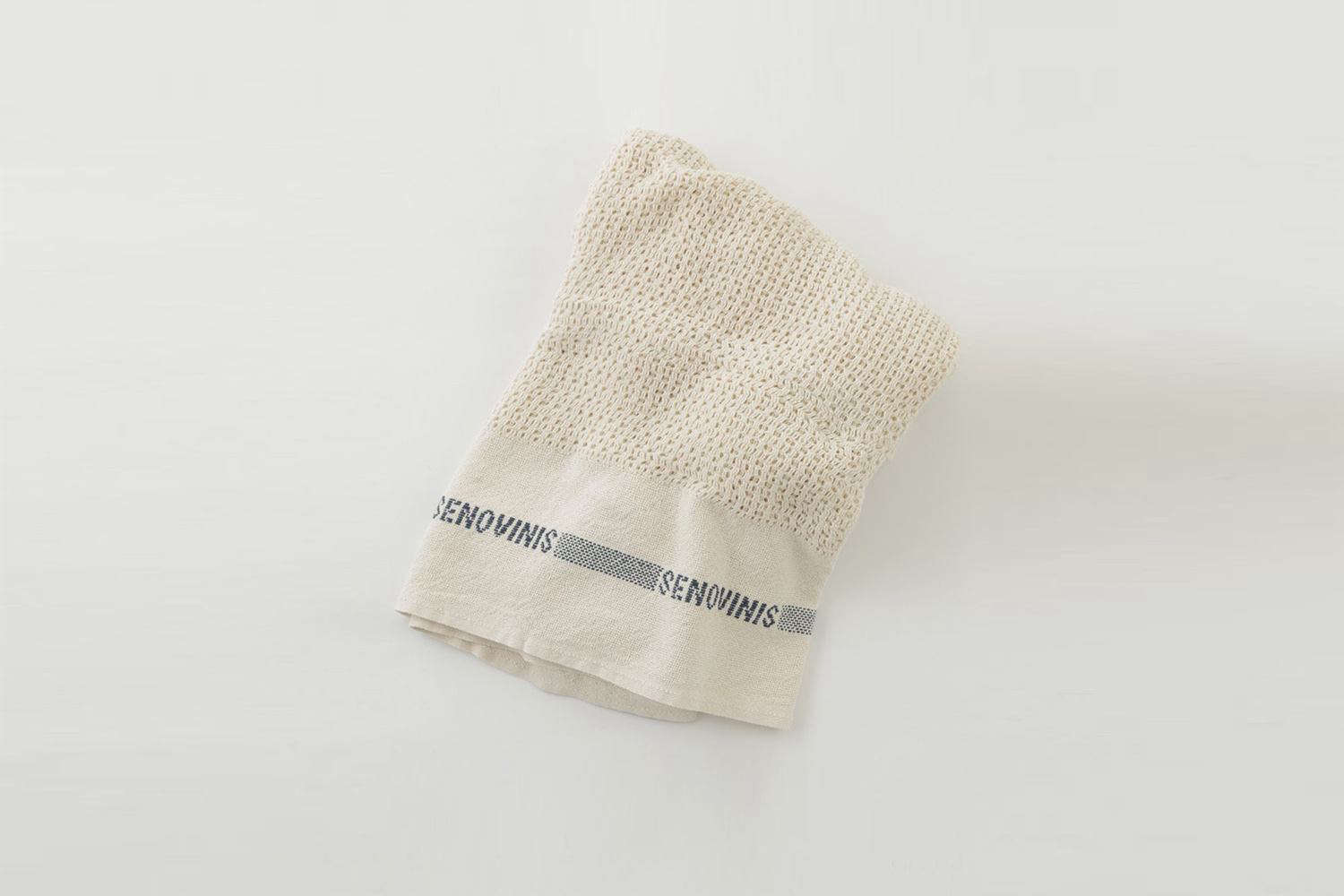
A good blanket should perform one deceptively difficult trick: keep you comfortable without making you feel as though you have been shrink-wrapped for the night. The Fog Linen Cotton Blanket approaches that challenge with an airy weave, natural cotton fibers, a generous length, and the kind of understated design that quietly improves a room instead of shouting for attention.
Despite its slightly confusing name, this is not necessarily a linen-and-cotton blend. “Fog Linen” refers to Fog Linen Work, the Japanese lifestyle brand behind the product. The brand’s official catalog identifies model LHE313-NBL as a 100% cotton blanket made in Lithuania. That distinction matters because shoppers searching for a Fog Linen Cotton Blanket may otherwise assume they are buying blended bedding.
Product composition, model, origin, and measurements verified through Fog Linen Work’s official product page and current and archived catalogs.
What you are actually getting is a lightweight, low-gauge cotton blanket with a softly structured, almost mesh-like surface. It works as a summer bed layer, a sofa cover, a nap companion, or a decorative textile for anyone who considers “casually draped” a legitimate interior-design strategy.
What Is the Fog Linen Cotton Blanket?
The Fog Linen Work Cotton Blanket is a large, breathable woven blanket designed for everyday use. The official dimensions are approximately 130 by 205 centimeters, or roughly 51 by 81 inches. That makes it longer than a typical decorative throw but narrower than most full- or queen-size bed blankets.
This unusual proportion is part of its charm. It is roomy enough to cover one adult from shoulders to toes, yet manageable enough to fold over an armchair without producing a fabric avalanche. On a bed, it works best as a single-person sleeping layer, a folded accent across the foot, or a lightweight cover placed over the center rather than a full mattress-width blanket.
Key Product Details
- Brand: Fog Linen Work
- Product: Cotton Blanket
- Model: LHE313-NBL
- Material: 100% cotton
- Approximate size: 51 by 81 inches
- Country of manufacture: Lithuania
- Texture: Open, low-gauge woven construction
- Suggested uses: Sleeping, napping, layering, sofa styling, and general-purpose covering
The border includes Lithuanian lettering associated with the idea of being “old-fashioned.” It is a small design detail, but it gives the blanket more personality than an anonymous square of beige fabric. Think European utility textile with just enough graphic interest to avoid looking like hotel laundry.
Why the Open Cotton Weave Matters
Fiber content tells only half the story of a blanket. The weave determines how the material behaves against your body. A dense cotton blanket may feel substantial and warm, while an open-weave cotton blanket allows more air to move through the structure.
Fog Linen Work describes this blanket as being woven at a low gauge with a mesh-like appearance. The result is a fabric that looks plush and dimensional without becoming excessively heavy. Small openings between the yarns help body heat escape, while the cotton still provides enough coverage to prevent that oddly exposed feeling many people get when sleeping with only a sheet.
Cotton is widely used in bedding because it is naturally soft, breathable, absorbent, and relatively easy to maintain. Bedding experts commonly recommend loosely woven cotton and linen for warm sleepers because these materials permit airflow and handle moisture more comfortably than many dense synthetic fabrics.
Cotton breathability and lightweight blanket guidance synthesized from CottonWorks, Real Simple, Good Housekeeping, Consumer Reports, and Sleep Foundation.
Softness Without the Fleece Effect
This is not the slippery, cloudlike softness of microfiber fleece. Its appeal is more natural and tactile. The woven yarns create gentle texture and spring, while the open structure prevents the blanket from lying flat and lifeless.
That distinction is useful for anyone who likes softness but dislikes the static, heat buildup, or ultra-plush appearance of polyester blankets. The Fog Linen Cotton Blanket looks relaxed rather than fuzzy. It feels at home beside washed linen sheets, oak furniture, woven baskets, ceramics, and that houseplant you are heroically trying not to kill.
Is It a Good Summer Blanket?
Summer is where this blanket makes its strongest case. Fog Linen Work specifically presents it as suitable for humid, uncomfortable nights and daytime naps. The breathable cotton construction offers a middle ground between a thin top sheet and an insulated comforter.
Hot sleepers should remember that no ordinary cotton blanket actively refrigerates the body. Cooling depends on room temperature, humidity, pajamas, the mattress, and the layers underneath. Still, an open-weave cotton layer is less likely to trap heat than a thick fleece blanket or heavily filled comforter.
In an air-conditioned bedroom, the blanket provides light protection from the chill without becoming oppressive by 3 a.m. In a naturally ventilated room, the open texture encourages airflow. During transitional weather, it can be layered over a sheet and under a quilt, allowing you to remove one component instead of renegotiating your entire bedding system at midnight.
Warm-weather bedding recommendations supported by Sleep Foundation, Architectural Digest, Real Simple, and The Spruce.
Can You Use It During Winter?
Yes, but it should be viewed as a layering blanket rather than a heavy winter solution. Cotton provides comfort and modest insulation, but this particular weave prioritizes breathability over heat retention.
Place it between your top sheet and comforter to create a flexible layer of warmth. It can also sit over a duvet for added texture, though a wool blanket, flannel bedding, or thick comforter will be more effective during genuinely cold weather.
This versatility is one of the blanket’s best qualities. Instead of spending half the year imprisoned in a linen closet, it can move from primary summer cover to supporting winter layer. It is the bedding equivalent of a dependable cardigan: not designed for a blizzard, but surprisingly useful almost everywhere else.
How to Style a Fog Linen Work Blanket
The blanket’s natural coloring, visible weave, and simple border fit especially well in minimalist, Scandinavian, Japandi, rustic, coastal, and modern farmhouse rooms. Fortunately, you do not need to repaint your bedroom “quiet mushroom” to make it work.
Across the Foot of a Bed
Fold the blanket lengthwise and place it across the lower third of the mattress. Because it is narrower than a standard queen blanket, this arrangement looks intentional and adds texture without requiring perfect corner alignment.
Draped Over a Sofa
Let one end fall over the back of the sofa and gather the remaining fabric loosely on the seat. Avoid folding it into a tiny, rigid rectangle. The open weave looks best when its texture and movement remain visible.
On a Reading Chair
The long, narrow shape is well suited to an armchair or chaise. Fold it once, place it over the arm, and leave enough length available for actual use. A blanket that exists solely for decoration is just a very large napkin.
As a Lightweight Bed Cover
On a twin bed, daybed, or guest cot, it can function as a casual cover. On larger beds, center it over the sleeping area or combine it with a wider neutral coverlet underneath.
Who Will Like This Blanket Most?
The Fog Linen Cotton Blanket is particularly appealing to people who prefer natural fibers, tactile surfaces, breathable bedding, and restrained design. It is also a sensible choice for households that want textiles to be used rather than displayed behind an invisible museum rope.
It may be a good match for:
- Hot sleepers who find fleece and heavy comforters uncomfortable
- People who enjoy textured, neutral home textiles
- Solo sleepers looking for a long, lightweight cover
- Apartment dwellers who need one blanket to serve several purposes
- Parents wanting a soft cotton layer for supervised naps or lounging
- Fans of Japanese and Scandinavian-inspired interiors
- Anyone who values easygoing materials over glossy luxury
Potential Drawbacks to Consider
No blanket is perfect, and pretending otherwise is how linen closets become expensive storage units.
It Is Not a Full-Width Bed Blanket
At about 51 inches wide, it will not provide generous side-to-side coverage on a queen or king bed. Couples hoping to share it may discover that romance has firm dimensional limits.
The Open Weave May Snag
Loose, airy constructions can catch on sharp jewelry, pet claws, rough fingernails, zippers, or furniture edges. This does not make the blanket impractical, but it does mean you should handle it more thoughtfully than a dense utility quilt.
It Is Lightweight, Not Deeply Insulating
Cold sleepers may need additional layers, especially during winter. People seeking the heavy pressure of a weighted blanket or the deep warmth of wool should look elsewhere.
Natural Cotton Can Change After Washing
Cotton textiles may shrink, relax, or subtly alter in texture when exposed to heat and agitation. Proper laundering helps preserve the blanket’s size and open structure.
How to Wash and Care for the Blanket
Always follow the attached care label because manufacturer instructions take priority over general textile advice. For woven cotton blankets, a conservative routine usually offers the best balance of cleanliness and longevity.
- Check for snags first. Do not place a visibly pulled loop into the washer without securing or gently repositioning it.
- Wash separately or with soft items. Keep it away from hooks, exposed zippers, bras, and abrasive towels.
- Use cold water. Cold water reduces the risk of shrinkage, fading, and unnecessary fiber stress.
- Select a gentle cycle. The open weave does not need an amusement-park ride inside the washing machine.
- Choose mild detergent. Excess detergent can remain trapped in textured fabric and make it feel stiff.
- Avoid chlorine bleach and heavy fabric softener. Harsh products may weaken fibers or leave residue.
- Dry gently. Air-drying is the cautious option. When the label permits machine drying, use low heat and remove the blanket promptly.
- Store completely dry. Fold it loosely and place it in a breathable cotton or canvas bag in a cool closet.
Blanket-care experts generally advise cold water, mild detergent, low agitation, and low-heat or air drying for cotton and woven blankets. Washing the item alone can also reduce friction and snagging.
Care recommendations synthesized from The Spruce’s woven blanket, cotton blanket, and seasonal bedding storage guides.
How to Shop for an Authentic Fog Linen Cotton Blanket
Because the product name is easy to misinterpret, inspect the listing carefully. Look for the Fog Linen Work brand name, model number LHE313-NBL, stated cotton composition, Lithuanian origin, and dimensions near 130 by 205 centimeters.
Do not assume every listing titled “linen cotton blanket” refers to this product. Many retailers use that phrase for blended blankets containing both fibers. For example, other home brands sell blankets with specific cotton-to-linen ratios. The Fog Linen Work model discussed here has historically been cataloged as 100% cotton.
Before ordering, compare the measurements with a blanket you already own. Place a tape measure across your bed or sofa and visualize the width. This 30-second exercise prevents the classic online-shopping surprise in which a beautifully photographed bed blanket arrives and turns out to be a very ambitious scarf.
Experience Notes: What Living With This Blanket May Feel Like
The following experience-based scenarios illustrate how the blanket’s documented size, weave, and cotton construction are likely to perform in everyday use. They are not presented as a claim of laboratory testing.
First Evening: The Texture Gets Your Attention
The first thing you are likely to notice is not weight but structure. The surface has enough dimension to look interesting from across the room, yet it does not appear shaggy or bulky. Draped over a sofa, it creates the kind of effortless texture that normally requires someone to stand nearby saying, “No, fold it less perfectly.”
When pulled over the legs, the cotton feels softer and more yielding than a crisp linen throw. The open construction keeps it from forming a sealed pocket of heat. It is comforting, but it does not immediately announce that all future movement has been canceled.
A Warm Night: Coverage Without the Furnace
On a humid evening, the blanket makes sense over a cotton sheet or directly over lightweight sleepwear. Air can move through the loose weave, and the narrow width means excess fabric does not pile up around the body.
Someone who sleeps very hot may still push it toward the foot of the bed before morning. That is normal; this is breathable bedding, not climate-control equipment. However, it should feel less smothering than plush fleece and less exposed than sleeping under a sheet alone.
The Afternoon Nap Test
This may be the blanket’s ideal assignment. Its roughly 81-inch length is generous enough for an adult to stretch out beneath it on a couch. It provides comfort against air conditioning without the commitment of climbing under a full duvet.
The soft cotton texture also works well when the blanket touches bare arms or legs. Unlike some untreated linen textiles, it should not require months of washing before becoming pleasant. Cotton generally begins softer, while still gaining a more relaxed hand through regular use.
Cotton and linen feel comparison supported by Parachute and Sleep Foundation.
Moving It Around the House
Over several days, the narrow shape becomes an advantage. It can migrate from bedroom to living room, then to a reading chair without becoming awkward. Folded, it occupies less visual and physical space than a thick comforter. Unfolded, it still has enough length to be useful.
Its neutral appearance also makes relocation easy. A strongly patterned blanket can look perfect in one room and mildly alarming in another. This one behaves more like a background texture, complementing wood, metal, leather, cotton upholstery, and other natural materials.
After Laundry Day
Washing is where patience matters. A gentle cycle and careful drying should help the weave retain its shape. Once dry, the blanket may look slightly more relaxed and less showroom-neat. For this design, that is not a tragedy; the casual texture is part of the appeal.
Resist the temptation to use high heat simply because the blanket is cotton. Excessive heat may encourage shrinkage and can be unnecessarily rough on an open weave. Air-drying flat or across a broad rack takes longer, but it treats the fabric more kindly.
After a Week: The Real Appeal Becomes Clear
The Fog Linen Cotton Blanket is unlikely to win people over with extreme plushness, elaborate patterning, or dramatic thickness. Its strength is usefulness. It is comfortable on a warm night, attractive on a chair, long enough for a nap, easy to layer, and quiet enough to remain in view every day.
That combination gives it staying power. Many decorative throws are photographed once, folded twice, and then exiled to a basket. This blanket is designed to be handled, washed, moved, slept under, and casually abandoned on the sofa until someone needs it again.
Final Verdict
The Fog Linen Cotton Blanket is a thoughtful choice for shoppers who want breathable natural bedding with understated character. Its 100% cotton construction, open low-gauge weave, Lithuanian craftsmanship, and long single-person dimensions make it especially suitable for summer sleeping, afternoon naps, sofa use, and year-round layering.
It is not the best option for couples needing full-bed coverage, people who want heavy winter insulation, or homes where enthusiastic pets regularly test textiles with their claws. For everyone else, it offers a rare balance of softness, airflow, practicality, and relaxed good looks.
Editorial note: Product availability, pricing, dimensions, and care instructions may change. Confirm the current retailer description and follow the care label attached to the blanket before washing.